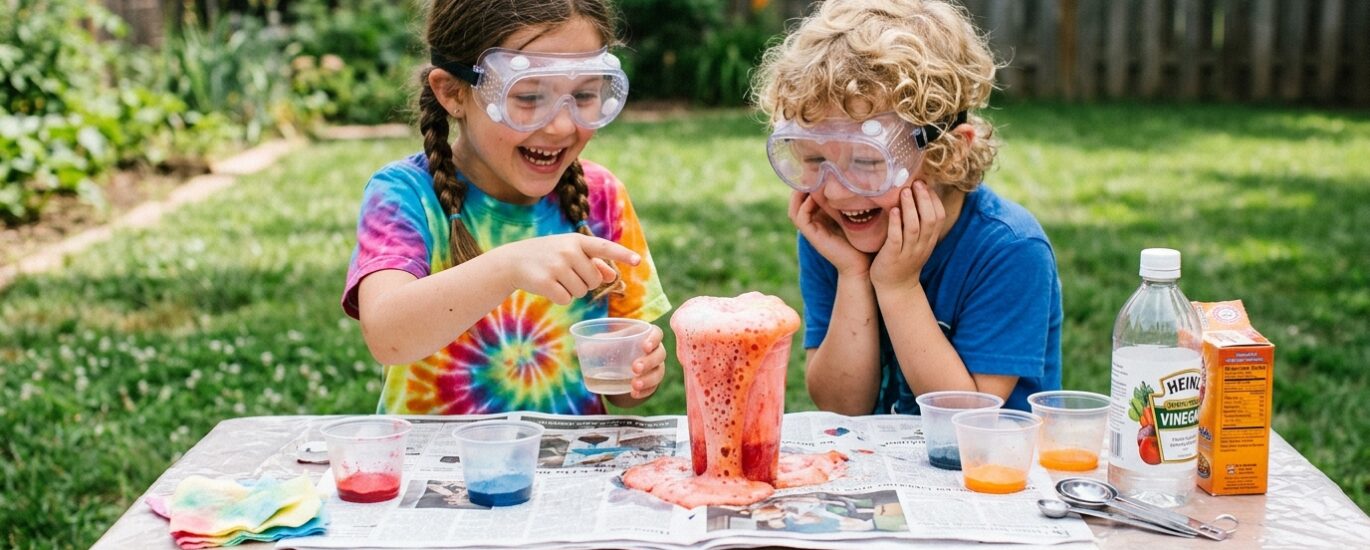
A Fun and Educational Kitchen Science Activity
We often look for ways to introduce children to science through engaging, hands-on experiences that spark curiosity and creativity. One of the most exciting and visually satisfying activities we can perform at home is a quick five-minute science experiment that creates colorful “fireworks” using baking soda. This simple experiment combines safe household ingredients to produce a dramatic bubbling reaction that resembles tiny fireworks bursting in a glass.
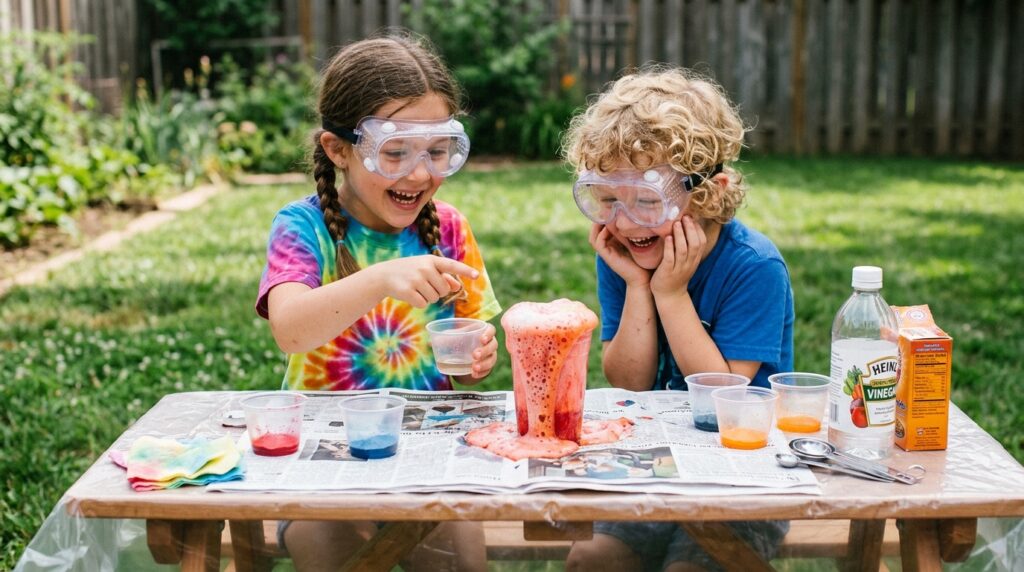
This activity not only entertains children but also provides an excellent introduction to basic chemistry concepts, particularly acid–base reactions. In just a few minutes, we can transform an ordinary kitchen setup into a miniature science lab where children witness fascinating reactions right before their eyes.
The experiment is safe, affordable, and easy to prepare, making it ideal for family learning, classroom demonstrations, and weekend science fun.
Ingredients for the Baking Soda Fireworks Experiment
Before starting the experiment, we gather the necessary materials. These ingredients are simple, inexpensive, and commonly found in most households.
Essential Ingredients
- 2 tablespoons baking soda
- ½ cup vinegar
- 1 clear glass or transparent jar
- 1 tablespoon dish soap
- Food coloring (red, blue, yellow, or green)
- A small spoon
- Optional: glitter or edible sprinkles for extra sparkle
Additional Optional Materials
- A tray or plate to catch overflow
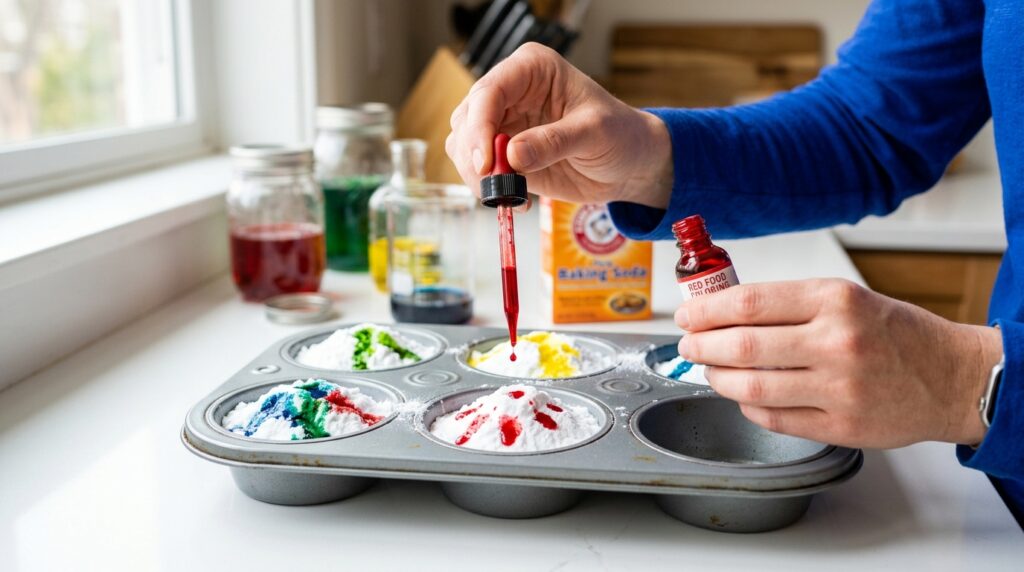
- A dropper or pipette for precise coloring
- A flashlight for highlighting the bubbling effect
Having a clear container is especially important because it allows children to observe the colorful reaction as it rises and bursts like miniature fireworks.
Preparing the Experiment Setup
We begin by creating a simple and organized workspace. Place the glass or jar on a tray or plate to contain any foam that may spill over during the reaction.
Next, we add two tablespoons of baking soda to the bottom of the glass. This white powder will serve as the reactive base in the experiment.
Afterward, we pour one tablespoon of dish soap into the glass. The soap plays a crucial role because it traps the gas bubbles produced during the reaction, creating thick foam that rises dramatically like sparkling fireworks.
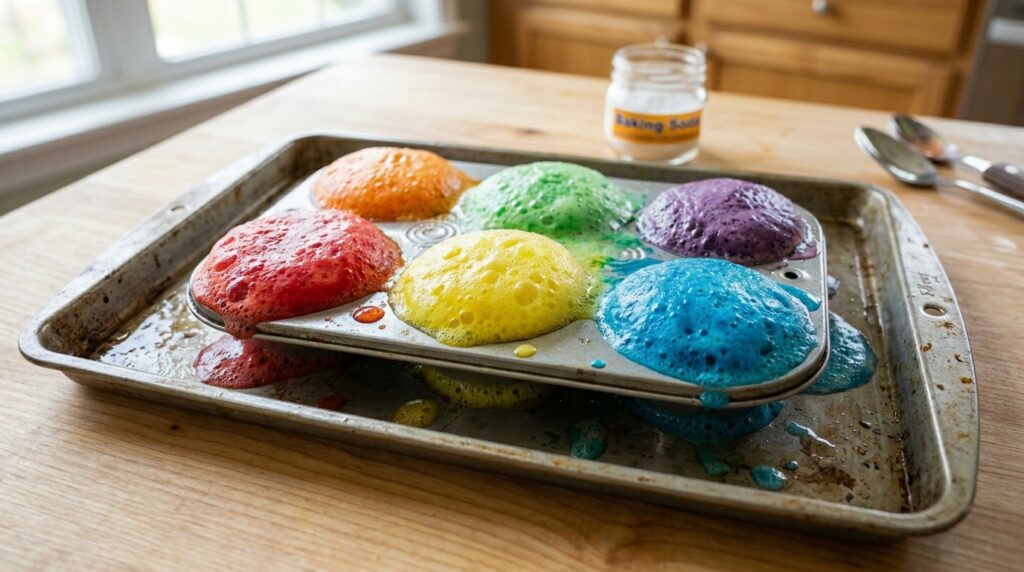
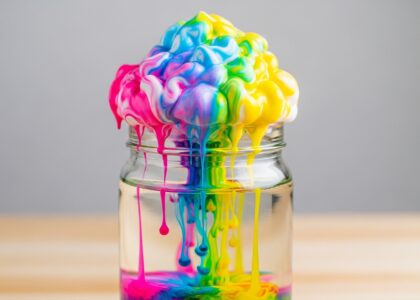
At this stage, we add several drops of food coloring. Children can experiment with multiple colors, placing small drops in different areas of the glass. When the reaction begins, these colors swirl and mix, producing vivid bursts that resemble colorful fireworks exploding in slow motion.
How to Perform the 5-Minute Fireworks Experiment
Once the setup is complete, the most exciting part begins.
We slowly pour ½ cup of vinegar into the glass containing baking soda, soap, and coloring.
Within seconds, the mixture begins to bubble, fizz, and foam rapidly. The reaction produces carbon dioxide gas, which becomes trapped in the soap, forming expanding bubbles. These bubbles push the colored liquid upward, creating bursting foam patterns that look like fireworks in a jar.
Children can observe several fascinating effects:
- Rising foam columns
- Colorful swirling patterns
- Sparkling bubbles popping at the surface
- Overflowing foam resembling erupting fireworks
The reaction usually lasts one to two minutes, but the excitement it creates lasts much longer.
Why the Fireworks Reaction Happens
The magic behind this experiment lies in a simple chemical reaction between baking soda (a base) and vinegar (an acid).
When these two substances combine, they produce:
- Carbon dioxide gas
- Water
- Sodium acetate
The carbon dioxide gas forms thousands of tiny bubbles, and the dish soap captures these bubbles to create thick foam. As the foam rises and expands, the food coloring spreads through it, forming colorful streaks that resemble fireworks explosions.
This visual effect makes the experiment particularly engaging because children can clearly see the chemical reaction taking place.
Educational Benefits for Children
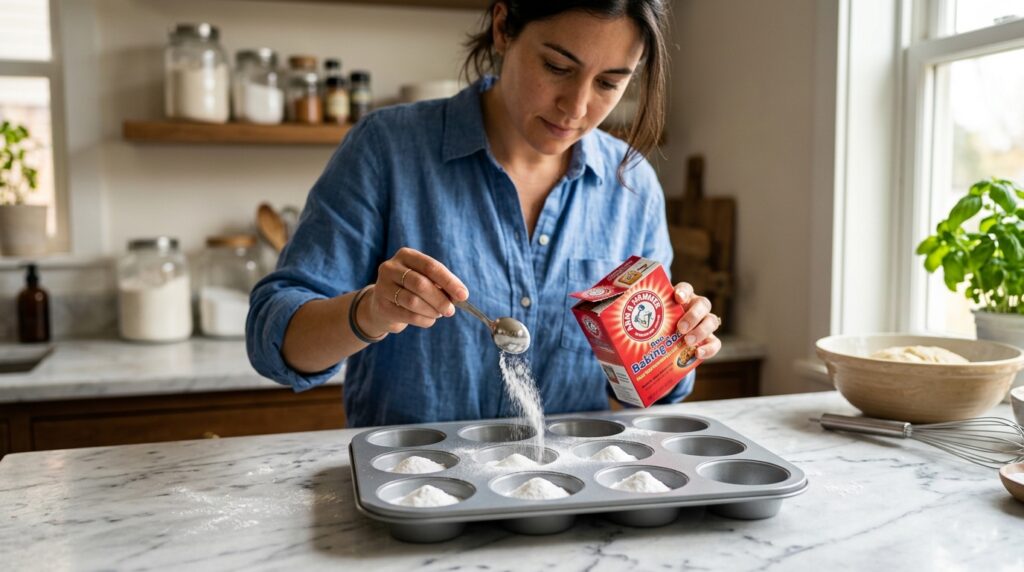
This experiment is more than entertainment; it provides valuable educational opportunities that help children develop scientific thinking.
Hands-On Learning
Children learn best when they can touch, observe, and experiment. This activity encourages them to participate directly in the scientific process.
Introduction to Chemistry
Through this experiment, children begin to understand:
- Chemical reactions
- Acids and bases
- Gas formation
- Cause-and-effect relationships
Encouraging Curiosity
By watching the reaction unfold, children naturally ask questions such as:
- Why do bubbles form?
- Why does the foam rise?
- What happens if we add more vinegar?
These questions stimulate critical thinking and scientific exploration.
Creative Variations for More Colorful Fireworks
Once children understand the basic experiment, we can introduce creative variations to make the activity even more exciting.
Rainbow Fireworks
Add multiple food coloring drops around the baking soda before pouring the vinegar. The reaction produces a rainbow foam explosion.
Glow-in-the-Dark Fireworks
Use neon food coloring or glow sticks (with supervision) to create glowing bubbles in dim lighting.
Sparkling Fireworks
Sprinkle edible glitter or colorful sugar crystals into the mixture for a sparkling effect.
Layered Fireworks
Place small layers of baking soda and coloring before adding vinegar to create multiple bubbling bursts.
These variations keep the experiment fresh and encourage children to experiment with different combinations.
Safety Tips for Young Scientists
Although this experiment uses safe household ingredients, we still follow a few simple safety guidelines.
- Perform the experiment on a tray or surface that can get messy
- Avoid getting vinegar in the eyes
- Wash hands after completing the experiment
- Supervise younger children during the activity
Because the ingredients are non-toxic and gentle, the experiment remains safe for classroom or home use.
Encouraging Scientific Exploration
One of the most valuable aspects of this experiment is the opportunity to encourage children to think like scientists.
After the first reaction, we can ask children to try new ideas:
- What happens if we add more baking soda?
- What if we change the amount of vinegar?
- Does temperature affect the reaction?
- What if we use different containers?
By experimenting with these variables, children begin to understand how scientists test hypotheses and observe results.
Why This Experiment Is Perfect for Quick Science Fun
This baking soda fireworks experiment stands out because it combines simplicity, excitement, and education in just a few minutes.
Key advantages include:
- Preparation takes less than five minutes
- Ingredients are inexpensive and accessible
- The reaction is visually dramatic
- Children learn real scientific principles
- The activity encourages creativity and experimentation
Whether performed in a classroom, at home, or during a science-themed party, this activity delivers instant excitement and memorable learning.
Conclusion: A Simple Experiment That Sparks Big Curiosity
Through this five-minute baking soda fireworks experiment, we transform ordinary kitchen ingredients into a colorful display of bubbling science magic. The dramatic reaction captures children’s attention while quietly introducing them to the fascinating world of chemistry.
With minimal preparation and simple materials, we create a memorable scientific experience that encourages observation, curiosity, and exploration. Each bubbling burst of foam reminds young learners that science can be fun, creative, and full of surprises.
By repeating the experiment with new colors, variations, and ideas, children begin to see that scientific discovery starts with simple questions and playful experimentation—and sometimes, the most exciting fireworks happen right in a glass on the kitchen table.